Plot: A video-game villain is tired of playing the role of the bad guy, so he decides to try to prove that he deserves praise from his peers.
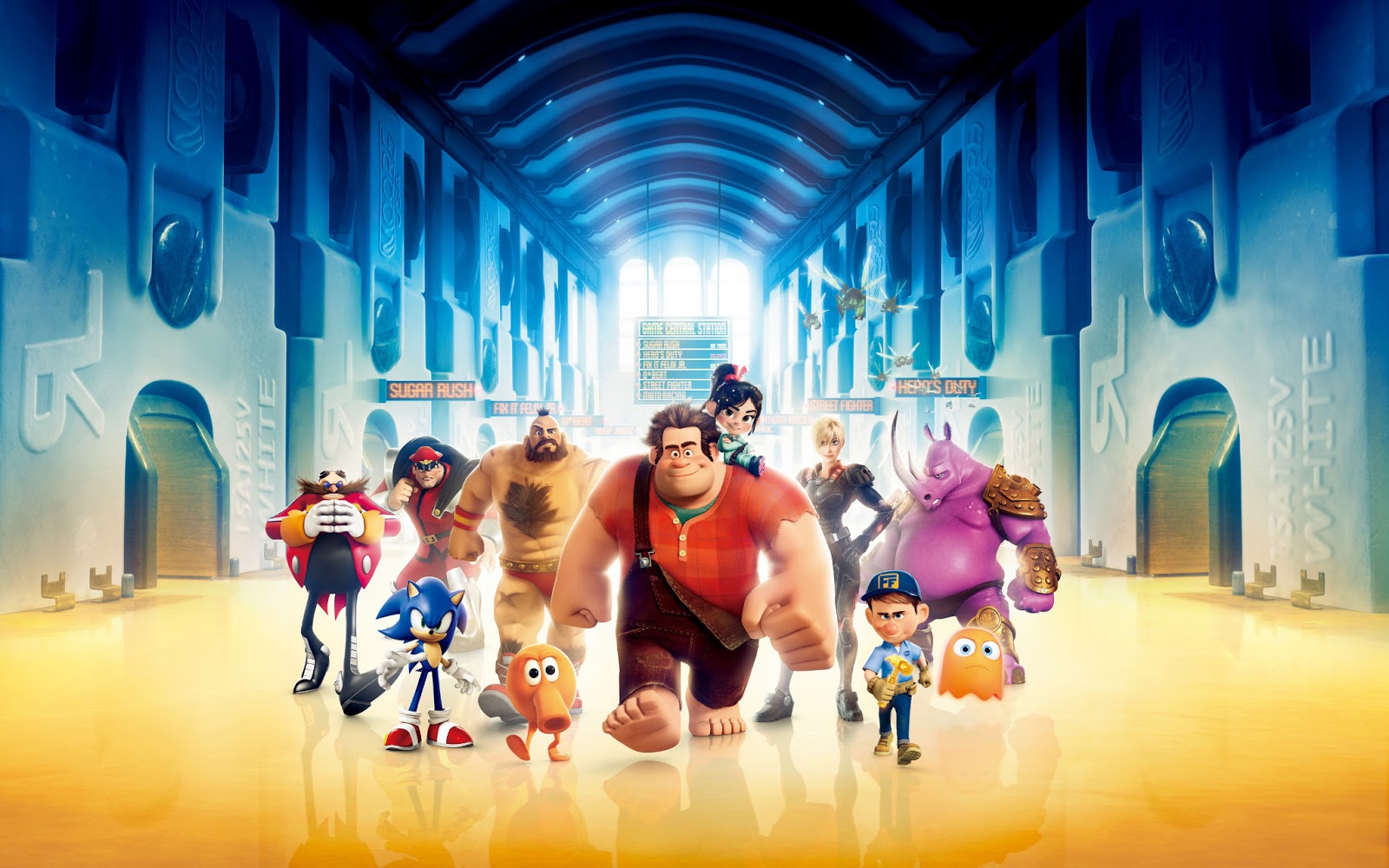
Thoughts: I was excited to see this movie because of the “retro” lore and various eater eggs sprinkled throughout the movie (my favorite was the Metal Gear Solid exclamation point). While there were a lot of moments of nostalgia, I don’t feel like they integrated into the film as much as it should have to really make memorable moments in the film.
For a Disney Animation Studios film (instead of the usual Pixar- Disney combo) it was a decent film, the one thing it lacked, however, was heart. The movie was built for two strong plots, but the writers really wanted to squeeze one more into it. This, in my opinion, was the downfall of the film. It takes masters to weave three different storylines (even if they dovetail) in a movie, and Disney missed the mark.
The animation was very Pixar-esque, proving that Disney picked up lessons from its former partner as well as rival DreamWorks and I look forward to seeing their full dynamic later.
I really wish more of these characters had screen time.
The characters, save two or three, were one-dimensional. I never got a sense of their lives and why they make certain decisions (aside from being most convenient for the film). Venellope, while sweet and cute at moments, was emotionally erratic and I didn’t really see a connection between her personality and her history.
The voice-actors, however, saved part of the film and really brought emotion out of a script that seemed void of it. I thought John C. Reilly carried his role well; he and the rest of the cast gave the feel of anonymous voices (thought most of them were at least B-listers) and I think this aided the film greatly.
Wreck-It Ralph was a clever film, but unfortunately it was not memorable. To this day, and to my embarrassment, I quote other Disney movies regularly, but I don’t see myself mentioning this movie much often, though I would like to play some of those games.
3.2/5
(P.S. they really dropped the ball on developing the Fix-It Felix plot, maybe that leaves room for a spin-off)
Plot (taken from IMDB): An exploration of how the actions of individual lives impact one another in the past, present and future, as one soul is shaped from a killer into a hero, and an act of kindness ripples across centuries to inspire a revolution.
Cloud Atlas was based on the novel of the same name by David Mitchell
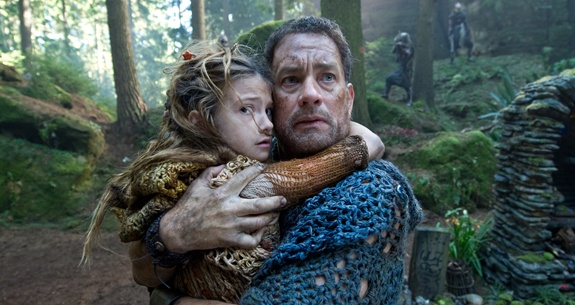
Thoughts: The simplest way to describe this story is a modern day epic. The scale of Cloud Atlas is really what makes this film successful. It follows the chain reaction of certain events through 5 centuries and how they all coincide with one another to create change in the world.
Atlas provides a wide range of genres for its audience. In all, there were six stories with a variety of tones and included the genres/ subgenres of: period piece, adventure, drama, romance, mystery, comedy, sci-fi, action, and post-apocalyptic.
All of these stories were linked not only by characters, but through the overarching theme that anyone can make a difference. It showed this by contrasting the human tendency for violence with the counter-tendency to love which is what essentially sparks the revolutionary fire.
Within the main theme were several subject matters including tolerance, the power of writing (in all forms) to connect the past and future, and how knowledge and empathy lead us to understand positively inspire others.
The idea of the nonexistence of “race” (which is true) also makes its way into Atlas. The film forces you to see that a person’s looks do not define or dilute their character. Not only were the actors made up as different ethnicities, but they also bent the lines of gender/ sex and age.
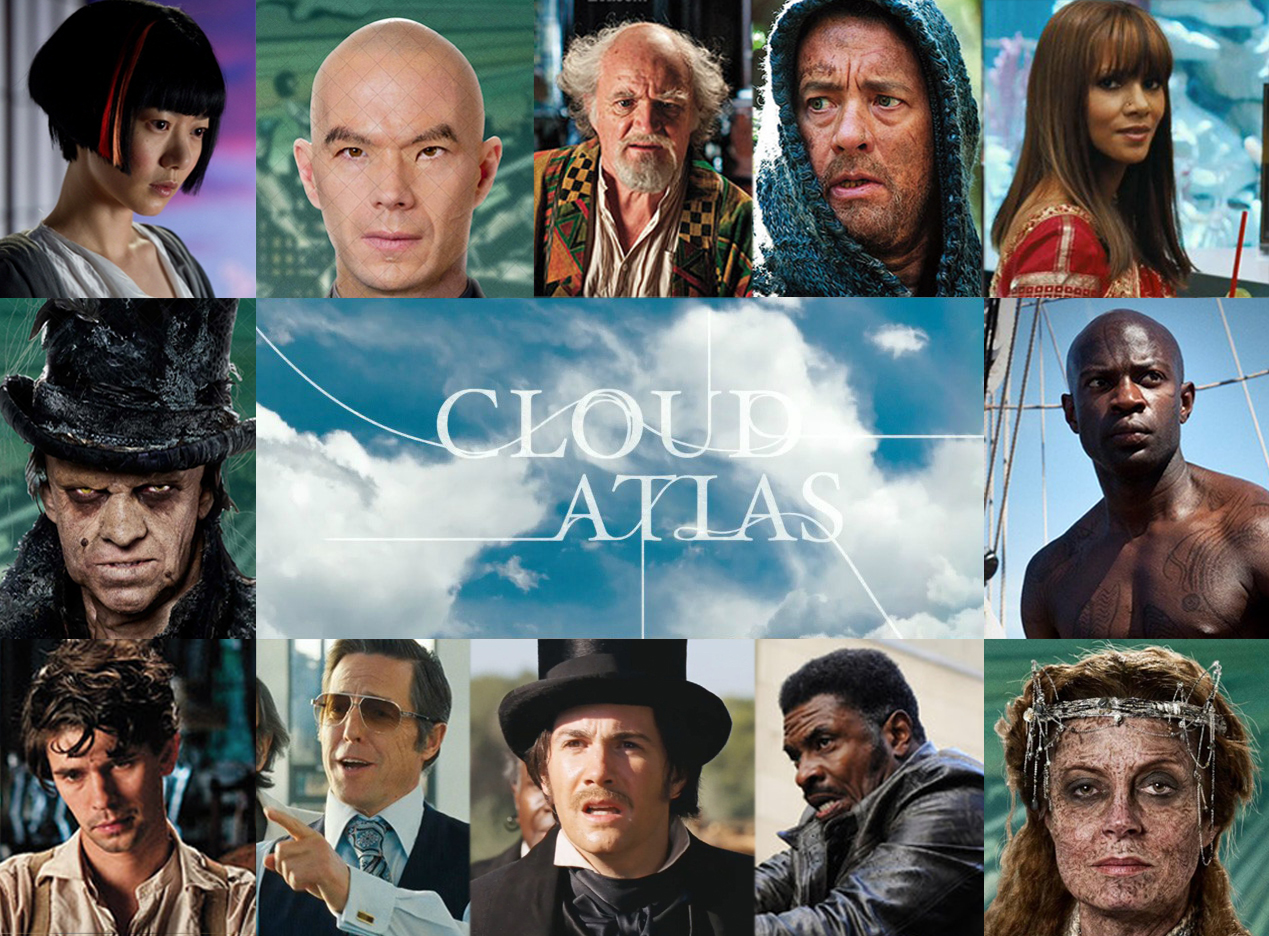
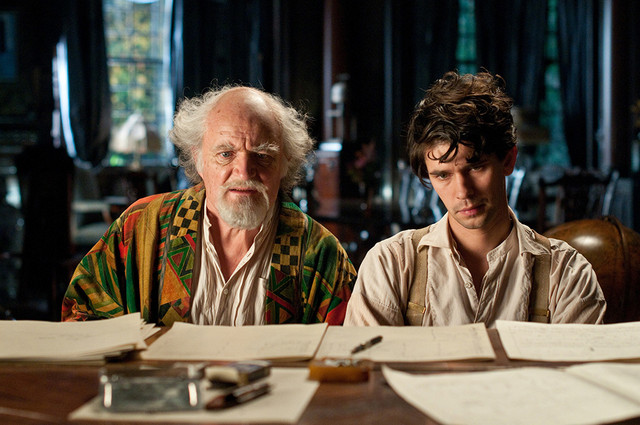
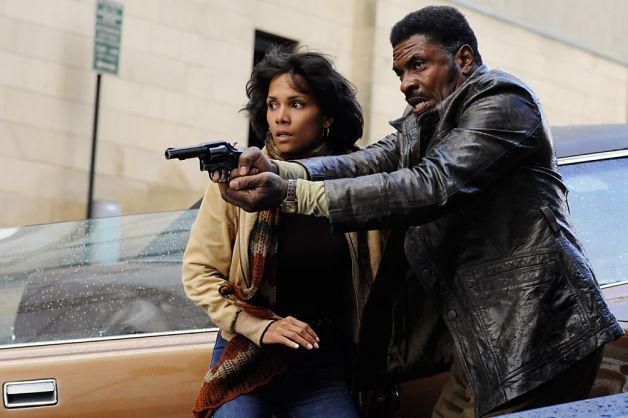
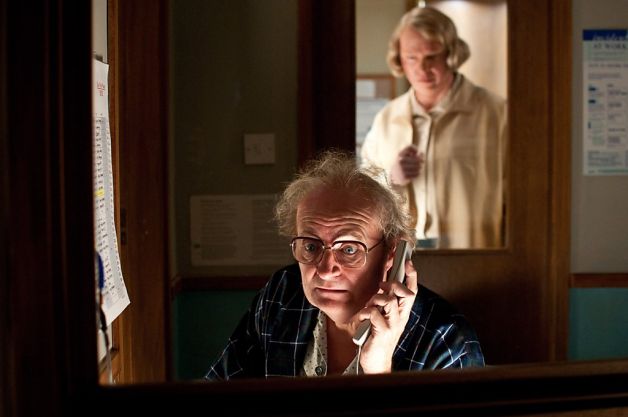
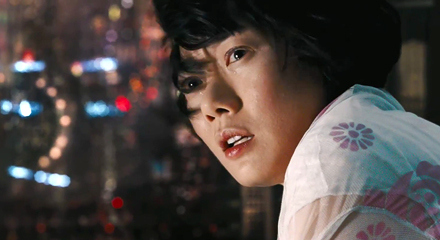
Atlas featured a cast of great actors. It headlined with Tom Hanks and Halle Berry, but it also had actors Jim Broadbent, Jim Sturgess, Doona Bae, Susan Sarandon, Hugh Grant, Hugo Weaving (one of my favorite actors, but was cast as a “bad guy” in every story), David Gyasi, Ben Whishaw, and Keith David. They all gave great performances especially considering the fact that they probably had no clue what this movie was about and where it was going for most of the time.
The cast of Cloud Atlas
Atlas seemed like it was a blast to create on all sides of the creative side of filmmaking. The writing (by the Wachowski siblings of The Matrix trilogy & V for Vendetta, and Tom Tykwer, best known for Run, Lola, Run) was very repetitive, but in a way that was necessary for the film to make sense; it highlighted the idea that life is cyclic. I’m certain the repetitiveness was also used to guide all three writers as each had a the task of writing their stories while connecting it with the other stories in the film without being overly cheesy.
What also helped the film was that the directors (all of whom were the writers previously stated above) worked so well together visually that it was difficult to attribute any specific sequence to one of them without knowing their prior work.
It is difficult to create a broadstroke review that will succintly define the movie since it is a series of six unique stories so I have a set of mini-reviews for each time period:
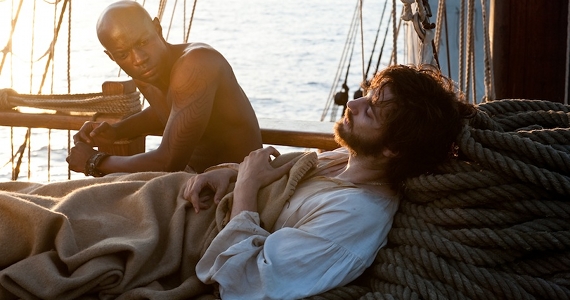
(In chronogolical order) Plot 1: 1800s- The story of friendship between a son-in-law of a powerful slave trader in America and a slave who has stowed away on a ship.
Although, this has been done several times before (and a couple of times were better) I’d say this tale of friendship was a good balance in a film that featured so much eros. Sturgess and Gyasi really played off of one another well and Hanks’ character added the strong human characteristic of greed.
The makeup was tactfully done, I really got a sense of the dread of the slaves but not without compromising their looks. I loved the mix between the old and new worlds. This was probably the most predictable story line, it was solid but nothing too fantastic.
Plot 2: 1930s- A frustrated and degenerate English composer takes solace in the home and under the guidance of one of the greatest composers of that era.
This was probably the purest love story in the film. Whishaw is in love with many things but can’t figure out what he needs to satisfy his need to write music. His life becomes greatly influenced by a journal from the past.
The one thing that really threw this story off for me was Halle Berry’s makeup. She was supposed to be a Jewish woman, but it just fell flat on all fronts and was unbelievable. This story dragged the most, but it really kept you engaged with the hook at the beginning of the movie.
Plot 3: 1970s- A woman attempts to uncover the truth about a nuclear reactor plant that is being built in San Fransisco.
Berry and most of this cast are what fails this story. It was overly dramatic and a bit too convenient at parts. The set design, costume, and makeup are what set this story apart from the rest. It gave a certain cohesiveness to the film and mirrored the tone of the film best of all.
Plot 4: 2012- An elderly book publisher finds excitement in what has been an ordinary and dull life thus far.
The only comedy of the six, this segment really spoke to the individual who never grows up. The adventures and chain of events that lead to different directions. I really laughed out loud at some scenes. The ideas in this story ranged from historical opression to remembering our seniors.
Jim Broadbent’s performance was energetic and fun. It helped break up the tone of the movie while still maintaining the film’s message.
Plot 5: 22nd Century- An android in Neo Seoul, Korea learns the truth about the dark depths humanity can go and tries to become a symbol of hope for the desolate land.
This story seemed like a match-up between Blade Runner, The Fifth Element, The Matrix, and Tron. It was by far the most complete of all of the stories. Doona Bae’s potrayal as innocent Sonmi-451 really allowed the audience to identify with someone who was not caught in the system of right and wrong.
The love story in this plot also allows it to develop at a faster rate and the twist that occur are horrifying. The visual representation of Neo Seoul take this story to the next level of film. Sturgess is also strong in his role and really creates a depth to the character that makes him more complete.
Nearly all of the actors involved in this plot wore makeup that was made to have them resemble the people of East/ Southeast Asia. I could see what they were pulling from, but the makeup was not 100% accurate. But, it allowed me to see beyond what that person looked like and better focus on the story.
Plot 6: Post-Apocalyptic (undetermined time)- A man who has survived by not taking risks is forced to either continue being cowardly or face his greatest fears in order to save his village in a post-apocalyptic.
This was one of the weaker plots, and although I enjoyed the makeup (which reminded me of Valhalla Rising and Apocalypto) and the ideas that developed the background of the film, there just wasn’t enough to really keep me interested.
The off accents and changing words such as “truth” to “true true” made me feel as if I were eavesdropping on someone having a conversation with an infant. Along that same line, Halle Berry should never do accents (see also: the first X-Men film). I did enjoy Hugo Weaving’s performance, though his makeup looked like it was done by an amateur at times.
Though I listed the plots in chronological order, this is far from how the film was cut together. At first glance it tends to jump at random times and intervals, but a look closer reveals that the stories were connected by themes and stages of action.
Alexander Berner deserves an Academy Award for his outstanding editing. He guided a potential ship wreck into a seamless and coherent film, providing some of the best editing I’ve seen since Memento. Although Cloud Atlas was nearly 3 hours long, the pacing was done so effectively that the film wouldn’t have seemed right if it were any shorter (if you’re the type that looks at the time during a movie, then you’ll probably loathe this long journey).
I also have to give it up for the rest crew for staying on and really holding things together (I know the producers and production managers were pulling their hairs out between scheduling, permitting, etc.). Also, to the cinematographers, art director, production designers and visual fx artists who really brought everything together and created a unified look from seemingly different eras.
It’s refreshing to see such a talented team getting together to make a film the way it’s supposed to be made. Now studios just want butts in seats and rarely give you a thought-provoking subject matter or quotes that are deeper than catty comebacks.
Cloud Atlas is an example of how films should be made and while it isn’t one of my favorite films (I’ll probably watch it again, which will definitely change my perception of the film), I recommend you see it while it’s still in the theater.*
4.5/5
*This film contains a heavy dosage of gore so if you’re weak at heart, I recommend not eating prior to viewing. It also contains sprinkles of nudity throughout.
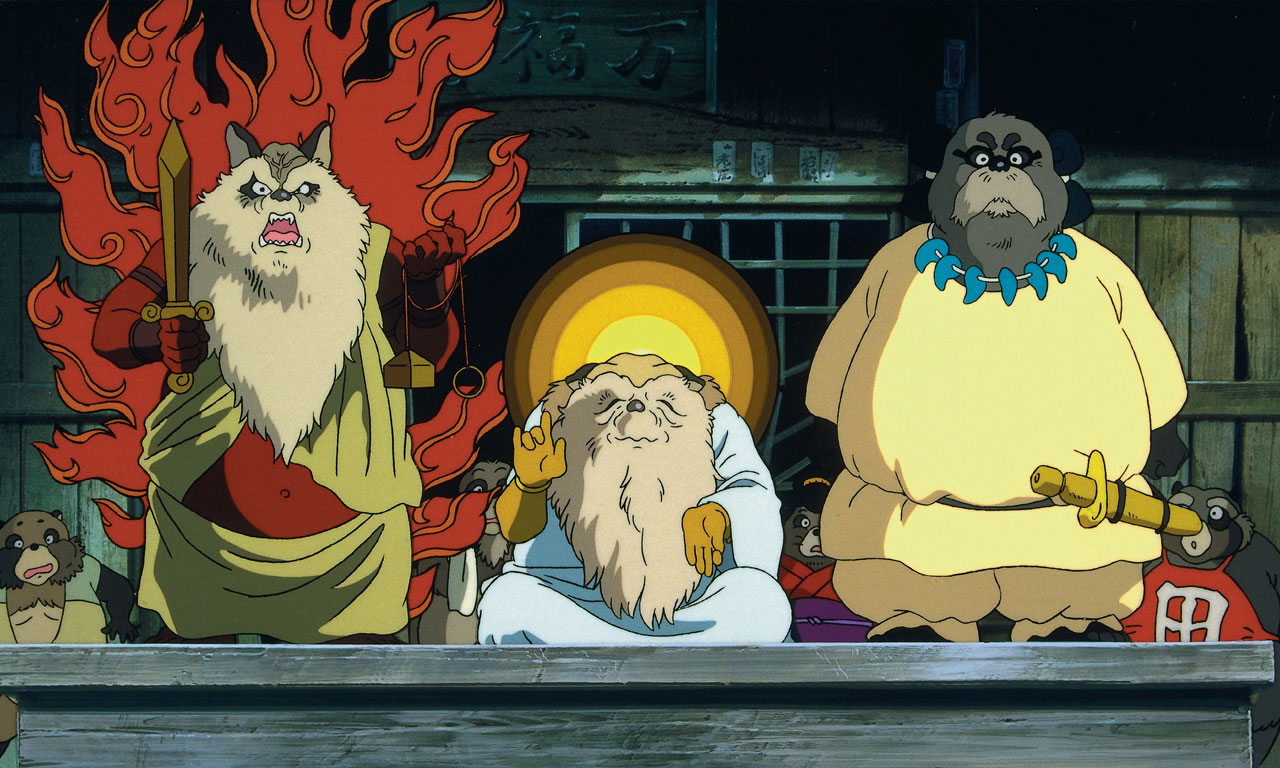
Plot: A group of shape-shifting raccoons attempt to save their home from the doom of deforestation by scaring the construction workers.
Thoughts: This was a good movie that really had the Studio Ghibli touch. I was captivated by both the animation and the story. It was like Ferngully (preaching sharing the environment) but with more grace. The characters were believable and at one point you even forget that they are indeed raccoons.
I’d say watch this one and discuss it academically.
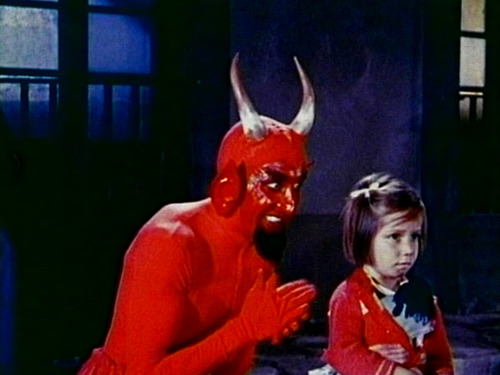
Mystery Science Theater 3000: Santa Claus, originally released 1959, Comedy Plot: Santa Claus is trying to make all of the children’s Christmas wishes come true but he is caught up arguing with Satan’s henchman Pitch.
That old devil, Pitch.
Thoughts: This movie should be in the top 10 comedies of all-time. Almost every second was full of laughter; from the creepy beginning of all the children in the world (that was 45 minutes to long) to Pitch trying to thwart Santa’s plans by moving chimneys. This movie had it all and I don’t see how people could watch the actual movie seriously.
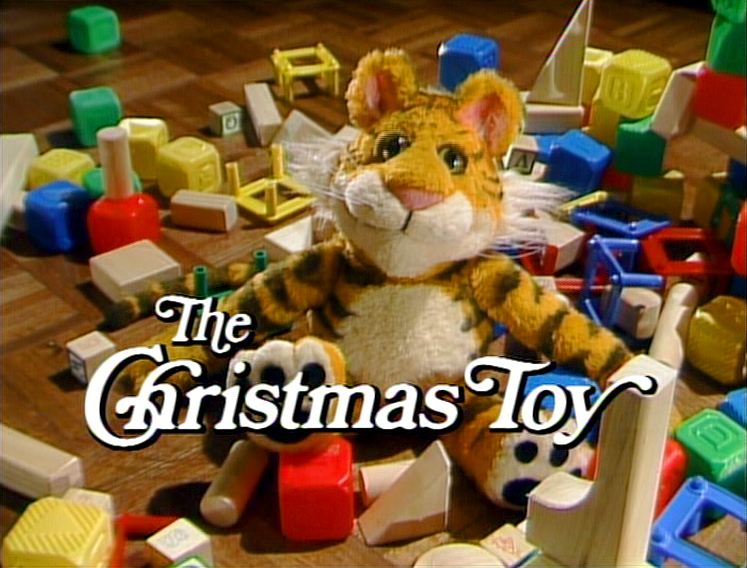
Plot: A toy goes through an emotional crises after finding out that he will be replaced at Christmas by another toy.
Thoughts: Low-key…this was a good movie. Sad to say, but Disney/Pixar RIPPED Jim Henson off with this one. This was almost the same movie as Toy Story except more characters were flushed out. It was only about 45 minutes, but the pacing was well done and the story was compelling (we’ve all been there before). I’d most definitely watch this one again.
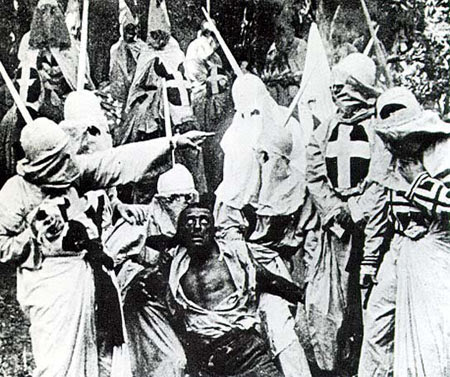
Classified X,1998, Documentary Plot: Hosted by filmmaker Melvin Van Peebles, this documentary showed the evolution of the depiction of blacks in films as well as behind the camera.
Thoughts: This documentary offered a very precise and to the point view of the subject matter and really expanded on knowledge that should be more common. Peebles teetered on egotistical at times but was still a good host. The cheesy backgrounds made via green screen were doing the most, though.
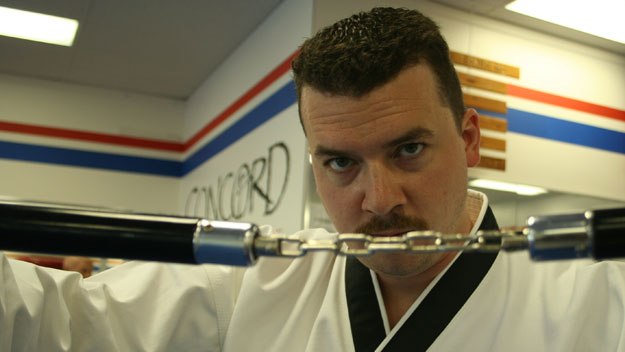
The Foot Fist Way, 2006, Comedy Plot: A Tae Kwon Do instructor struggles to control his life as everything around him begins to crumble.
Thoughts: This movie was made on a low budget, but all of those aspects were overshadowed by dynamite editing and great acting. It isn’t the best comedy I’ve seen but it is very entertaining and peaceful in its own way. I really enjoyed Danny McBride (as I always do). This movie is probably better under different circumstances, but I still enjoyed it.
He teaches people how to kick in other people’s faces.
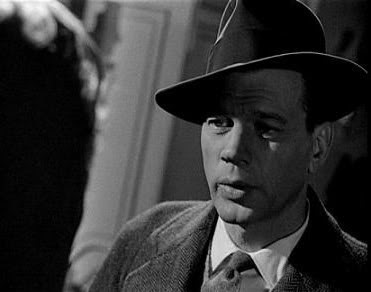
The Third Man, 1949, Thriller Plot: A man comes to Vienna to discover that his friend has been killed, but a twist in the observation by one person changes the entire story.
Thoughts: I enjoyed the movie and the initial dutch-tilt, but I didn’t feel that it was necessary for the entirety of the movie. Orson Welles went beastmode as usual and the story was interesting and compelling, but it did tend to drag at times.






 The Film Chronicles